

Exploring Different Electrical Outlet Options
There are multiple types of outlets out there. A homeowner may also find that a certain appliance requires a specialized outlet. Using the right outlet for the item is essential, and each item is designed to meet unique needs. We’re going to focus on three main types of outlet installations in this guide:
- AFCI outlets
- GFCI outlets
- Childproof outlets
AFCI Outlets
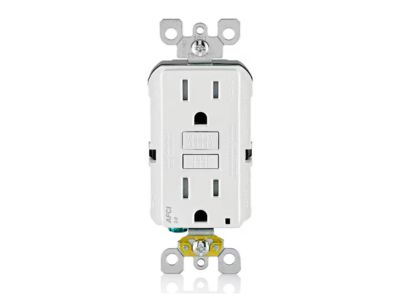 AFCI stands for arc fault circuit interrupter. This type of outlet is designed to help prevent electrical fires by detecting arc faults. Arc faults typically come from damaged wiring or a fault connection. The AFCI outlet reduces fire risk for electrical purposes.
Standard outlets rarely have built-in sensors that detect irregularities like AFCI outlets. That is what this type of outlet is known for. The most common areas where AFCI outlets are installed include bedrooms and living rooms. They should be used anywhere that electrical devices or appliances are in use.
Many old homes do not have this setup, but the national code for new construction and renovation projects now requires them.
GFCI Outlets
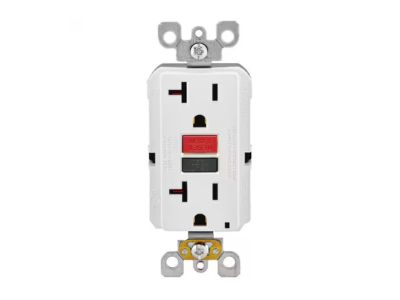 GFCI, or ground fault circuit interrupter, is designed to prevent electrical shock. If a ground fault is detected, the GFCI will quickly shut off electrical power. This outlet intends to ensure safety and avoid hazardous shock scenarios. It cuts off the power within milliseconds.
GFCI outlets are most common in areas with close proximity to water and electricity. They are very common in bathrooms and kitchens because of the risk of shock near water. This outlet will monitor electrical flow, and if the current flows in a way that it shouldn’t, the GFCI outlet will detect that and shut it down immediately.
GFCI outlets are required for code compliance in basements, outdoor areas, kitchens, garages, and bathrooms. They should be used in any high-risk areas to help protect everyone in the home.
Childproof Outlets
Finally, the childproof outlet is a unique design that prevents children from tampering with an electrical outlet. Their design helps to prevent electrical shocks in young children in the home. With a childproof outlet, the child cannot insert any foreign object into the outlet, helping to reduce and prevent the possibility of an electric shock to the child.
The tamper-resistant outlet has spring-loaded shutters that cover the outlet slots. The shutters will only open if equal and matching force is applied to both sides, preventing random items from being inserted into the outlet. It’s rare for anything to be equal pressure unless it’s to plug in an item.
Childproof outlets should be installed in homes with young children or where young children may be present. They should be in the rooms most accessible to those children, such as playrooms, bedrooms, or the living room. A professional should always perform electrical outlet installation.
About Southwest Florida Electric Inc.
Southwest Florida Electric Inc. offers dependable electrical services, including electrical outlet installation and more. They have been serving the industry for nearly 15 years and focus on quality service and customer safety. Contact them today for electrical services in Fort Myers, FL.
