If your generator won’t start, during an outage, now’s not the time to be troubleshooting a faulty generator by flashlight.
Your family or business needs a quick fix, so that next time, you’re prepared. Luckily, we don’t just sell and install generators, we’re also certified technicians, trusted to repair big brands.
Turn to Authorized Repair Specialists
There’s many reasons a generator can fail. Filters and lines clog, cords can become torn and carburetors quit. The biggest problem is, most issues occur inside your machine, without any visible damage to diagnose the trouble on your own.
Whether it’s a fuel problem, startup delay or beyond, our technicians are fully authorized Generac, Kohler, and Cummingsservice dealers, trained and certified to repair these generators, specially.
Not only can we troubleshoot what’s causing your generator problems, but we can repair if is if you sent it to Generac, Kohler’s, or Cummings own technicians. If your generator is still under manufacturer warranty give us a call and we can get your generator working at little to no cost to you.
Our Generator Repair Services
From commercial businesses to residential home systems, our electricians serve those all across Fort Myers, Napes, Lee County and southwest Florida.
Here at SWFL Electric, no job is too big or too small. Plus, there’s a few things that make us different than other technicians in the area.
From the moment you purchase a generator with us, we’re there for installation, routine maintenance and service.
If your generator quits, help from a certified professional is only a phone call away. Contact us through this form or give our electricians a call at (239) 307-0716, today.
When it comes to choosing a home standby generator, you have a ton of options. In our Battle of the Standby Generator Guide, we’re taking a look at three of the top brands of home generators, comparing similar models side-by-side to help you find a partial or full-home generator for your needs.
No More Lights Out
BREAKING NEWS:Another hurricane. As a Florida resident, this comes as no surprise.
Even if it’s not a full blown hurricane, storms touch down on our coastline state quite often. Fallen branches cut power lines, speedy drivers hydroplane into poles— and suddenly— your power’s out. Again.
Regardless of if it’s your home or your business, as a SWFL resident, you need a generator for everyday reassurance.
What’s unclear is fine details. You’re unsure of how much voltage your space requires, if you should get a generator that runs on natural gas or propane or what the best brands are for the best price.
Or, maybe you’re here for maintenance. If your generator is huffing, rattling or not firing upcome storm time, you’re in the dark. Both literally and figuratively!
You’ve got questions, our electricians have solutions.
Your Friendly Neighborhood KOHLER, Generac, & Cummins Dealers
Don’t waste your time researching dozens of brands of generators. Some big names stand apart for their superior reviews and performance— such as our favorite manufacturers: Generac and KOHLER.
These brands are our preferred providers for their years of reliability and praise, and we’re ready to turn you into a believer.
Here at Southwest Florida Electric, we’re proud to be fully authorized Generac and KOHLER service dealers. Meaning, we not only sell these trusted brands, but we are certified to assist you with servicing them— from replacing an old part to a routine check-up.
You get a generator from us, we’re going to make sure it’s ready when you need the most. That’s a promise.
Our Generator Services
We serve the greater Fort Myers and Naples areas and all of Lee County— and no job is too big or too small.
Our certified electricians specialize in all things generator, including installation and repair of both residential and commercial power supplies.
Standby or portable. Partial-home or office-wide power. Electric or gas. You name it, we’ve got you covered.
Need help choosing or fixing a generator? Fill out the form below or give us a call at (239) 745-5020. We’ll make sure your power stays on, for 24/7 preparation.
Specialized in all forms of generator installation, including:
Electric Generators
Gas Generators
Home Generators
Standby Generators
Automatic Power Generators
Emergency Back-Up Batteries
Whole-Home Generators
Partial Home Generators
Commercial Generators
Frequently Asked Questions
Q: What brand is best?
A: Sometimes, the brand of generator you choose just comes down to a personal preference based on the engine, the appearance of the generator itself, what size you need based on your housing situation, and ultimately, your familiarity with the brand. We are factory authorized for Generac, Kohler, and Cummins, all of which have their own merits.
Q: How long does installation take?
A: Every installation is different. There are so many factors involved, such as HOA approval, permitting, utility company availability. Right now, in particular, product availability is a large factor.
Q: Do you offer maintenance contracts?
A: Absolutely!
Q: For propane generators, how long will a tank of gas last? How long will my generator run after a storm?
A: This depends on size, but on average, an air-cooled generator will run for 5 days or so on a full 500-gallon tank.
Q: Can you turn your generator off during a storm?
A: Yes, but you need to follow this specific procedure to ensure this is completed safely:
Go to the main electrical panel and shut off all individual breakers to reduce the load on the generator. Let it run for 3-5 minutes to allow the motor to cool off.
Once the motor is cool, open the generator and locate the Auto / On / Off button and switch the generator to Off.
Check fluids and gas to see if you’d like to make any adjustments.
Turn generator back On and close all compartments you had opened. Turn the Auto / On / Off button back to Auto. If you still do not have utility power, your generator will turn on.
Once generator is running, go back to your main electrical panel and switch all individual breakers back on.
Q: How do you add oil to your generator during an outage?
A: Follow this specific procedure to ensure this is completed safely:
Go to the main electrical panel and shut off all individual breakers to reduce the load on the generator. Let it run for 3-5 minutes to allow the motor to cool off.
Once the motor is cool, open the generator and locate the Auto / On / Off button and switch the generator to Off.
Locate the oil dipstick and pull it out to wipe it off with a clean towel.
Put the dipstick back into the oil for 2-3 seconds and pull it back out, keeping the end towards the ground, to locate the oil level.
With the generator manufacturer’s recommended oil brand, add oil as needed. Once full, place dipstick back in.
Close all compartments you had opened. Turn the Auto / On / Off button back to Auto. If you still do not have utility power, your generator will turn on.
Once generator is running, go back to your main electrical panel and switch all individual breakers back on.
The Southwest Florida area flies into a panic every hurricane season — with good reason. Homes are frequently left without power for days on end and the hope of being prepared “for the next big one” has evolved into a necessity.
Right now, in between hurricane seasons considering what you might need for the future should be at the forefront of your mind. After surviving the last hurricane season,investing in a backup generator is likely something you’re considering. But where do you start?
Read on as we explain generator sizes and their power capacities to help you figure out “watt” you need.
What Does Generator Size Mean?
So, you’ve asked yourself, “What size generator do I need to power my house?” But the word size can refer to a few different measurements.
When talking about generator size, we aren’t talking about its physical size — rather, the size refers to how much electrical power it can supply, measured in watts (W) or kilowatts (kW). What happens if you get the wrong size? Getting an improperly sized generator for your needs can be a costly mistake!
Go too small, and you may not have enough voltage to properly power your appliances. This can damage your appliances and your generator, resulting in expensive repairs and even replacements.
On the other side of the coin, go too big and you’ll throw money away by unnecessarily overpaying for both the unit and the operation costs.
It can be a struggle to figure out the best generator for hurricane season. So, what’s a homeowner to do? Follow these three steps to ensure you’ll be getting just the right generator for your needs.
5 Steps to Finding the Right Size Generator
Step 1: Make a List
Make a list of all the appliances you want powered in the event of an outage. Here in Southwest Florida, most people make the air conditioner a high priority, along with the refrigerator. Don’t forget to add your smartphone charging station and at least a few light fixtures. Whether you choose to stick with the essentials or go for full home coverage, you’ll need to make a thorough list so nothing is left out.
Step 2: Determine the Wattage Needed
Next, you’ll need to figure out how much wattage each appliance or light fixture will need. Most appliances will have this information stamped on the appliance or on a sticker, found where the serial number and service information is indicated. More information on where to find the exact wattage details on appliances can be found on the US Department of Energy’s Energy Saver website — along with a helpful energy use calculator.
Using their calculator for this purpose, you are only concerned with the wattage. Please note that this tool provides a sample value only, refer to your specific appliance for a more exact estimate. The hard work is done, now simply add the wattage of the appliances on your list to find the total wattage needed and determine the base level generator you need from that number.
Step 3: Consider Weight
Now, we can talk about the actual size of generators as it relates to weight. Generally speaking, the larger the generator, the heavier it is. However, this doesn’t mean that it’s more powerful than a smaller one. There are powerful, lightweight, generators that may also make maintenance an easier task. These usually come with a higher price tag, though, so don’t dismiss the heavier and larger ones — especially if these larger models come with wheels and a discount. Choose the size that’s right for you that also meets your energy requirements.
Step 4: Consider Fuel Type and Generator Run Time
Most generators run on either gasoline or propane, so you need to consider the efficiency of different generators that already meet your wattage requirements. Just like with cars or other engines, you want the most runtime per gallon of fuel.
Additional considerations, such as a good warranty length (like with Kohler), engine type (2-stroke engines vs 4-stroke engines) and having a high-end rectifier for smooth energy, are important too.
Step 5: Don’t Forget About the Noise
When it comes to the average generator, noise pollution is a real consideration. Take note of the noise rating in decibels when considering the size of your generator. The lower the rating, the quieter the generator. A generator with 80 dB is as noisy as the main street in your city, car honks and all. Shoot for a generator with 60dB or below to save your ears.
The Easy Way…
Generac, a leader in home backup generators and one of the brands Southwest Florida Electric proudly sells, services, and installs, has an easy-to-use online estimation tool. It will help you quickly estimate the right size generator you will need for your home based on your selected appliances, lighting, and extras.
If you want a big picture overview, you can simply select “whole home” for an idea on what it would take to power your whole home. Follow the prompts in the Generac Home Backup Generator Sizing Calculator to get an idea of what size you may need.
Example: A Tale of Two Homes
John and Jeanette Wilson and The Jones Family both have about 2,000 square foot homes in the Naples area, but have different ideas on what they want covered if there is a power outage.
John and Jeanette want to only power the “essentials” if the power is out. They want to stay comfortable with AC and hot water, but don’t necessarily want to keep their whole house at full running capacity. Here’s their list:
2 Light Fixtures – 175W (far less if they are using LED bulbs)
Electric Water Heater – 4000W
Central A/C – 4500W
Refrigerator – 1500W
Phone and Tablet Charging- 30-50W
TOTAL WATTAGE: 10,225
The Wilson’s should look at an 11kW home backup generator. With an 11kW backup generator, they should be able to run their basics, keeping themselves comfortable, and their food cold and safe from spoilage.
The Jones family wants to power their whole home up, as if there were no outage. They also made a list of the appliances and devices they want powered (it’s a bit longer than the Wilson’s):
15 Light Fixtures – 1225W
Electric Water Heater – 4000W
Central A/C – 4500W
Refrigerator – 1500W
Phone andTablet Charging – 50W
2 Laptop Computers – 150Wwi
Microwave – 1000W
Stove/Range – 3000W
Dishwasher – 1500W
Clothes Washer – 1500W
Clothes Dryer – 1500W
3 LCD TVs – 450W
WiFi and Cable Modem – 40W
Garage Door Opener – 2300W
TOTAL WATTAGE: 22,715
The Jones’ should consider a 25kW generator to power their whole home. There are 22kW backup generators that we carry, but again it is always best to round up – opt for the generator that offers the next step above your estimated kilowatt needs, not below.
If you need some help picking what size generator you need for your house, download our Battle of the Home Stand-By Generator guide to get expert generator insight. If you still have questions, feel free to contact us. Our team is ready to help!
Was your business left in the dark during that last hurricane? Florida business owners know that tropical storms and thunderstorms are to be expected during storm season, but sometimes, bad weather strikes at the worst time.
In Florida, major hurricanes can leave millions without power. After storms like Hurricane Irma, the power outages lasted for more than a week. Thousands of residents of Puerto Rico still had no electricity when Christmas arrived, more than three months after Hurricane Maria wreaked havoc on the island. That left a lot of people asking, do I need a generator?
The result of these storms is a national conversation: about infrastructure, about disaster relief, and about the sometimes agonizingly slow recovery process after an emergency of this size. But it also prompted a fair bit of introspection from individuals and families, about what to do in a power outage. The reality of so many Americans going without made us wonder: how long could we really go without power, and how long will a generator run?
How long could you go without air conditioning?
According to the Centers for Disease Control, an average of 658 people die of heat-related illness each year, and the greatest impact is on children under the age of 4, and adults over 65. The greatest protective factor against heat-related illness? Access to air conditioning, either at home or somewhere easily accessible in the community. If you’re asking do I need a generator, the answer is often yes — if for nothing more than operating fans or an air conditioner.
A month without air conditioning is, of course, possible. Staying hydrated, keeping shades drawn during the hottest parts of the day, wearing light, loose-fitting clothing, and doing any intense physical activity in the evening or early morning hours can all help keep heat-related illness at bay. But with Florida high temperatures averaging in the low 90s during the summer months, the idea of going without air conditioning for weeks at a time is a chilling one, to say the least. If you’re not sure what to do in a power outage, you could end up putting your life at risk.
How long could you go without refrigeration?
During a power outage, a full, unopened refrigerator will keep food at safe temperatures for four hours. A full freezer, left unopened, will do the same for 48 hours. After that? Consuming perishable food might be tempting, but you put yourself at risk of foodborne illness. If you’re wondering how long will a generator run, the answer is generally long enough for you to have safe food for days, instead of mere hours.
What does this mean for families left without power for days or weeks? There are non-perishable foods, of course, and everyone should keep some on hand in case of an emergency. Depending on whether your stove is gas or electric (and whether you have access to other cooking methods, such as a charcoal grill), it may be difficult to heat and cook some shelf-stable foods, such as pasta and dried beans, and leftovers will need to be discarded after each meal, regardless of their source.
And for individuals who rely on refrigeration to keep insulin or other life-saving medicines at their peak levels of effectiveness, finding a good cooler and a reliable source of ice could mean the difference between life and death. For people dealing with these issues, “How long will a generator run?” could be a much more serious question.
How long could you go without laundry?
Although most of us have had the experience of hand-washing a few delicate items or rinsing an item of clothing in a public restroom after a spill, generations have gone by since Americans typically washed all of their clothing by hand. And for good reason. The average American household does 1-2 loads of laundry per member per week, and hand-washing can take not only a serious investment of time, it also requires strength and energy. If you’re asking do I need a generator, the answer may be yes in order to have clean clothing for you and your family.
If you’re a homesteader already, you might have access to a good-sized tub, a washboard, cold-water soap, and a clothesline hung in a well-ventilated area or outdoors. If not, you might be relegated to a bathtub, whatever detergent you have on hand, and some hangers set up on your shower curtain rod. That’s not a great way to try to get clothing clean, and you probably don’t want to add it to your list of what to do in a power outage.
If illness strikes, and you need to wash out contaminated clothes or linens, hand washing (especially in cold water if your heater is electric) can end up spreading the illness, rather than keeping it under control. And for families with infants in cloth diapers … laundry can quickly go from being merely a dull chore to being a truly terrible one.
How long could you go without internet connectivity?
If the internet plays a large part in your life, it can be difficult to imagine life without it. Long winter nights without Netflix (or lights, for that matter), the inability to check work or personal email, no access to updates from friends and family … it means a huge shift in how we function. Are you asking do I need a generator in order to stay in touch? Many people need that connectivity, and may also make their living by working online. Even if mobile networks are up, it’s difficult to make use of them without any way of charging your phone or laptop computer from home, or possibly from anywhere in the area.
It’s a best practice to have a battery-operated radio with fresh batteries (and a solar-powered method for charging them) in case of a natural disaster. But while we all lived without constant electronic communication only two decades ago, it can add yet another level of stress to an already difficult situation. When you’re wondering how long will a generator run, you should know that it will run long enough to charge your electronic devices.
Could you survive a month or more without power?
Absolutely. Humans are remarkably resilient, after all. But would you want to, if you could avoid it?
A little bit of preparedness can go a long way. Honestly answering the do I need a generator question can mean the difference between spoiled food and three good meals a day. It can mean clean laundry, hot water, working lights, and knowing what’s happening in the world. A generator can help to keep the most vulnerable among us safe through all kinds of storms.
Southwest Florida Electric can help you find the right size generator for your needs. You don’t have to settle for cold, dark nights, and cold soup from a can. Instead, you can focus on what to do in a power outage by reducing the impact of that outage on your life. Getting the right generator for your needs is the first step. Take charge of your future and get in touch today.
Here in Southwest Florida, you don’t want to be caught without backup power come hurricane season. We all remember Hurricane Irma, September 2017’s catastrophic storm. After the storm, 99% of the population of Florida was without power. It took almost two weeks before the power companies reestablished power— and even towards the end of September, there were still more than 70,000 outages in the state.
If you’re looking for the right generator to power your home, there are really only a few brands worth your time— in our opinion. Kohler is one of them.
Let’s review some big reasons by Kohler is a trusted source for home backup generators in Florida and beyond:
1. Kohler generators have a long-standing history.
Since 1920, Kohler has been the leading expert in quality generators. That means their brand is over 100 years old at this point, making them one of the oldest generator manufacturers out there. Even Generac, who we also love, has only been around since 1959. They’ve had decades to perfect their patents and products while building their reputation.
2. Kohler generators come with a premium warranty
One of the main reasons that homeowners buy Kohler generators is because of the premium warranty that comes with every product. Most of Kohler’s home backup generators come with a 5-year, 2,000-hour warranty, plus corrosion-resistant enclosures that are built to last.
You can even purchase extended limited warranties which cover parts, labor and dealer travel for the duration of the 5-year warranty period. Still not happy with that? You can extend warranty coverage to 10 years. Now there’s one to include in that 5-Star Kohler generator review!
3. Kohler generators come with convenient remote monitoring.
Keeping with the growing digital age, Kohler offers remote features for monitoring your generator away from home. You can view real-time power status and manage your entire system— the automatic transfer switch, optional Load Control Module and other technical parts— from your phone.
Other generator brands like Generac charge more for added remote perks, but Kohler does not.
4. Kohler generators feature very powerful engines.
Professionals turn to the power of the Kohler Command PRO OHV engine as a benchmark for commercial power. The fact that it’s on residential units like Kohler’s RESC 20kW speaks volumes and proves this generator’s strength!
Kohler engines are made to last, enduring heavy workloads and powering your entire home in just ten seconds. It’s also why Kohler generators have received several awards, including the Most Valuable Product (MVP) Award 2010 by Building Products magazine.
From Kohler’s Kohler’s RESV 12 kW or Kohler’s RCA 14kW, this manufacturer has a variety of small-to-medium-sized partial-house standby generators. A generator from anywhere to 7-11 kW can often power basic circuits in your home, such as your fridge, sump pump, garage door, etc. It’s a wattage that typically supports the “essentials” and is often ideal for small homes or partial home functionality during an outage. While a medium-sized generator often packs enough punch to power your essential circuits, as well as a few comfort items. For instance, they are typically used to power living room outlets, indoor lighting and your alarm system— if you have one— in addition to all the basics mentioned in the small-sized generator category.
But Kohler also offers large-scale power for big homes or commercial use. If you don’t want to go without any luxuries, a 20 kW generator is likely an ideal fit. These units can typically power multiple large air conditioners alongside hot water heaters and a well pump. This is a great wattage for those who would like to maintain all their regular household operations during an outage, including outdoor lighting and sometimes your entire electrical panel. Large houses can often require more “commercial” power, but a 20 kW generally does the trick for most homeowners!
Kohler generators are trusted nationwide in a range of different kinds of businesses and homes. In addition to residential power, Kohler backup generators power hospitals, nuclear power plants, even the National Weather Service— according to their website!
Fully Authorized Kohler Dealers
Trust us, you’ll rest easy knowing that you have total reliability when you have a Kohler generator working for you.
You could buy your Kohler generator from a big box store like Lowes or Home Depot, but they won’t be there to help you with maintenance or service down the road. Here at SWFL Electric, we’re certified service providers, licensed to offer repair and routine maintenance for Kohler generators.
We understand that purchasing a full home generator is not a simple selection. That’s why in our Battle of the Home Standby Generators guide, we stack comparisons against three major generator brands Generac, Cummins, and Kohler, for three different generator sizes to help you explore all the best options on the market. Download our free resource today.
With all of our hurricanes and storms, purchasing a generator is practically a requirement of being a Florida resident.
Many start with a smaller portable generator before upgrading to a permanently installed standby unit. The problem is, there are so many options out there for portable generators— determining which generator is truly the “best” for you can be confusing and overwhelming.
Before you make any decisions or even start shopping for a portable generator, here are eight questions to ask:
1. How much power do you need?
This is one of the most important questions to ask before purchasing a portable generator because sometimes a smaller unit just doesn’t cut it!
During a power outage, it’s very unlikely that a portable generator can keep your whole house humming. Most smaller portable units will be able to power several appliances, but a whole home is out of their league.
2. How long do you need your portable generator to run?
There are a few factors that determine a generator’s runtime before needing more fuel. One of the biggest considerations is the fuel tank capacity.
On average, a fairly simple portable generator will have about a 5-gallon fuel tank, giving you approximately seven hours of running time.
Higher-end, more fuel-efficient models can run for hours on a single gallon of fuel, but these are going to be more expensive. Most portable generators use gasoline, while some can utilize liquid propane or natural gas. Each option has its benefits and drawbacks, which will vary with your individual needs. Compare the pros and cons of each generator fuel type here.
3. Will you be using your portable generator frequently or consistently?
Portable generators can be a real life-saver in a pinch, designed to provide short-term power. The keyword here is short-term. Portable generators will run just fine for a few hours or even a day.They are not, however, designed to run continuously, day-after-day, all day.
If you have a power outage and need to supply your home with power for 4-5 days, a portable generator is not the ideal candidate for the job. Overrunning or overworking your portable generator could damage your electronics or the generator itself.
If you’ll rarely be using a generator and just need a few hours’ worth of power to get you by, a portable generator is often a smarter choice than investing in a standby unit.
Think about how you plan on using your generator in terms of portability. Will this be a backup for your home and stored in the garage or shed until needed, or will you be taking it with you on camping trips or to a work site?
The general category of “portable” covers basically any generator not permanently installed so they can vary greatly in terms of true portability, ranging from “un-wheeled” and difficult to move to lightweight with easy rollers.
The lighter, more portable options can be more expensive. However, some of the larger portable models have kits available that allow you to add wheels and handles for easier portability— in fact, this is standard for some models.
5. Do you prefer an easy-start generator?
Some more basic portable generators use a starter rope pull design, much like a lawnmower.This requires some upper body strength and just the right pull to get it going. Other mid-range models have a much easier-to-operate push button or turn-key style start.
As with the lightweight portables vs. the larger models, added convenience comes with a heftier price tag, so this is something to consider when making your portable generator selection.
6. Can I use a portable generator during a storm?
Portable generators run on fuel. Just like your car emits carbon monoxide, generators produce exhaust.
It’s not safe for your generator itself or your family to run a portable generator in the middle of a hurricane, letting it be exposed to all the elements! Permanently installed standby generators, however, are safely bundled in protective housing so they can run during a storm. With this in mind, a portable unit would be okay to run after the storm has passed to provide power in an open space like your yard or under a tent/covered overhang, just not in the middle of a storm.
Obviously, this is a huge make-or-break for some people, who want an affordable generator. Unfortunately, this isn’t a simple answer. There are a number offactors that will influence your portable generator’s cost, including how high of wattage you’ll need, the quality and the brand of the unit, etc.
Let’s use one of our favorite brands, Generac, for example. Their smaller GP2200i inverter generator is only $549 at the time of writing this article. One of their heavier-duty XT8000EFI Electronic Fuel Injection portable generators is $1,429. Generally, this is a good rule of thumb for most portable units;you can expect to pay between $600 (for lower wattage units) to upwards of $2,000 (for the best portable generator).
8. How often will a portable generator need to be serviced?
There’s no getting around it. A machine like a portable generator is going to need some level of maintenance and upkeep to keep it performance-ready for when you need it most.
Some models require more extensive and constant maintenance than others— for example, a brushless motor will need less attention than one with brushes. You’ll want to do some research on how often each model you are interested in needs service before making a final decision.
While portable generators work wonders in a pinch, many Florida homeowners need more reliable, consistent power to prepare for major storms.
You may be surprised by how some of the best portable generators compare in efficiency and price to the permanently installed standby units.
In our Battle of the Home Standby Generators guide, we compare three of the biggest generator brands— Generac, Cummins, and Kohler— looking at the pros and cons of THREE different generator sizes to help you explore all the best options on the market.
‘Tis the season when the great Sunshine State welcomes an influx of Northern snowbirds, eager to escape the chilly winter by heading south.
As soon as the temperature begins to drop, these retirees pack up their bags and say “see ya in a few months!” to their summer home. Ready for warm weather, these nomads typically stay in Florida from November/December through March/April— or as long as the North sees ice and snow.
Four to six months is a long time to leave your home unattended, thousands of miles away. That’s why it’s crucial to winterize your Northern home before making the trek South.
Fear not, snowbird! We’ve got you covered. Here’s your ultimate checklist for preparing your home for a quiet few months ahead:
Outdoors
If it’s not snow-ready, bring it in! Chances are, you may have already brought your landscape features in after fall. If you haven’t, now’s the time to lug in or cover and secure all patio furniture, garden features, or decor (Christmas lights included if you’re heading south post-holiday!).
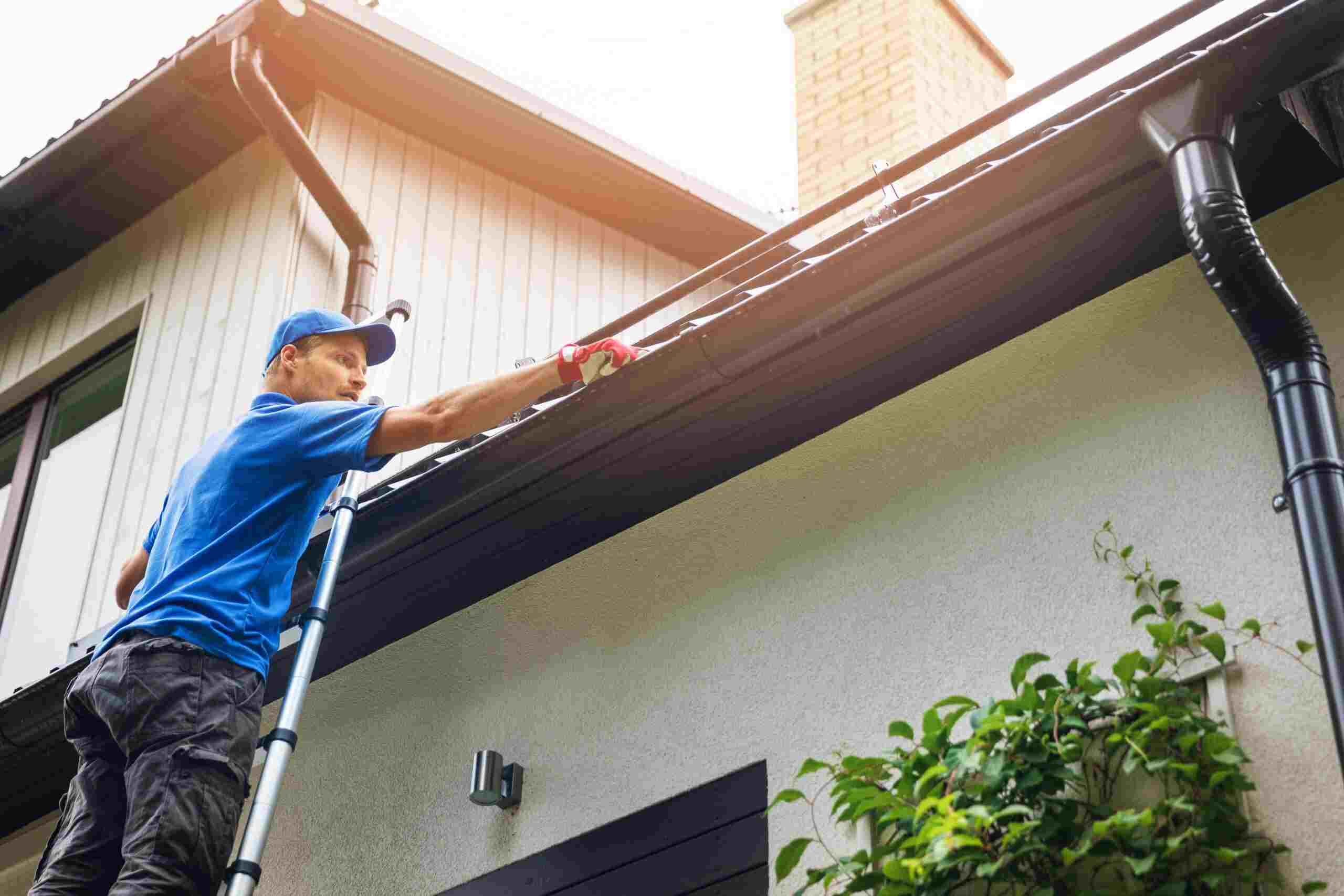
Clean those gross gutters. While you’re gone, debris and muck can accumulate in your gutters and cause drainage problems while away. Climb up that ladder or hire a handyman to clear them out.
Double check drainage systems. Speaking of water issues, don’t forget to make sure your exterior drains are cleared. If you have poor irrigation problems, there’s no better time than now to fix them. Remember, water turns into ice when cold. You don’t want any trip-and-fall incidents on your sidewalk. Plus, ice can do a real doozy on your driveway, cracking concrete and cutting down on the lifetime of your expensive paving.
Figure out who’s shoveling, plowing, and de-icing. You need to make sure your sidewalks and driveway aren’t covered in snow and ice while you’re gone, which could be hazards for passersby and contribute to drainage issues when they melt. Consider chatting with your neighbors to see if someone wouldn’t mind shoveling or hiring someone to clear your property after each snowfall.
Scope out your roof. See any raised or missing shingles? Because of how expensive a new roof can be, we often avoid repairing or replacing it. The issue is, while you’re gone for months, this could invite pests and even lead to water damage if not properly fixed.
Trim or cover your trees and shrubs. If there are any skeptical branches that are dying and could fall onto or be blown against your home or onto your neighbor’s property, take care of those now. The cold winter ahead will only make them more brittle and likely to snap. Plus, your plantlife will be exposed to hungry deer and critters, so be sure to wrap your trees and shrubs.
Winterize your pool. You’d have to do this anyway, but since you’ll be gone, triple-check you’ve crossed all your t’s and dotted all your i’s with your pool before leaving.
Install some cameras. Wouldn’t it be nice to know if someone was knocking on your door? Or if a thief was snooping around your windows to see if you’re home? Mount a few well-placed cameras and set up motion-detection alerts to monitor your Northern home from your warm home-away-from-home.
Invest in a timed lighting setup. There’s nothing like lights to deter mischief. Plus, you’ll need them to get a clearer shot wherever your cameras are pointed. Getting spotlights and floodlights that turn on automatically by motion or on a timer is a huge energy-saver. Even better if you can control when they go on and off remotely from a smartphone app!
Arm the alarm. Not only do you want to see what’s going on outside, you want to know if something is happening inside! Make sure your home security system is all set up and good-to-go before leaving. It might be wise to get a few indoor cameras too that are hardwired in, so you can check in once a day that all is well.
Lock up or take valuables with you. That expensive jewelry collection on your dresser is an easy-target if a thief gets in. With being away, you don’t know how long it’ll take to be alerted that they’re inside and get the police there. A criminal could be long gone with your prized possessions. Anything that’s one-of-a-kind or valuable should be placed behind an extra lock and key or taken along to the South, so it’s safe by your side.
Tell your neighbors and loved ones. Those in your community can keep a vigilant eye on your property if you let them know when you’ll be gone. You could even ask a few folks you trust to check up on the property or home every week or two for greater peace of mind.
Change the batteries in your smoke detector. If a fire should start while you’re away, you want to make sure your fire alarm is working and that it’s connected to alert you and your local fire department of the danger from afar. Here’s how to properly change your smoke detector’s battery.
Temperature Control
Prep the fireplace. Take down the mantle wreath or any items near the fireplace that could potentially burn. Better yet, seal the fireplace to save on insulation and reduce fire hazard risks.
Get the thermostat right. No use keeping the house warm when it’s empty. But you also don’t want to let it drop below 50 degrees to prevent your pipes from freezing. Your best bet is to invest in a remote-controllable thermostat to keep an eye on your temperature from a few states away and adjust accordingly to the weather.
Get your backup generator ready. If there’s an outrage while you’re away, you want to make sure your pipes don’t freeze and that your home security system isn’t down. A handy backup generator will do the trick, automatically providing electricity to your home even during an outage. Here are a few questions to ask before choosing a home generator if you don’t have one!
Keep interior doors open. You may think it makes more sense to close your bedroom and bathroom doors while gone to regulate temperature, but it’s actually better to allow your rooms to breathe. Ventilation is key!
Gas & Water
Shut off your main water valve. Don’t come back to a water leakage or flooding problem. Keep the drains open to allow pressure balance, but turn off the flow of water. A plumber could also help you to winterize your pipes to play it safe.
Turn off pumps, except the sump pump. No need to have your fountains or water pumps running while away. If you have an aquarium, this is a different story. Obviously, someone will have to stop by to feed and check on your fish and critters, but don’t forget to ask them to properly keep the filter clear or clean the tank as needed. If you have a sump pump, make sure that’s on and functional to take care of any flooding while away!
Turn off the gas. You could even have your gas service temporality suspended if your provider allows for the few months you’re in Florida.
Food & Kitchen
Empty out that fridge and freezer. The last thing you want is to come home to rotten food and a rancid-smelling house. That’s why it’s crucial to clear out the fridge before leaving. Many even unplug the entire unit while gone for many months. Keep the doors open after wiping down so it can properly dry and not form mildew inside.
Keep non-perishables locked away. Don’t leave any food sitting on your counter or within easy access for bugs or mice, should they get in. We recommend setting a few ant traps in corners to prevent them from getting into the kitchen or other pest control measures.
Electrical Safety
Unplug all you can! If you won’t be using any of your electronics while away, why leave them plugged in? Unplug all appliances that aren’t necessary for security before your journey south. This includes power strips and extension cords that could be a fire hazard when left unattended for months. Remember, all it takes is for one power surge to create a spark and put your home in danger.
If you want indoor lights, keep them on a timer. You don’t want to run a light for months straight while you’re gone. If interior lighting is a concern, some lighting fixtures have remote access and can be set on timers, making it look as though you’re home to passersby at night without an insane electric bill or increased fire risk.
Miscellaneous
Take care of your plants. If you’re able to bring your houseplants with you to Florida, great. If not, ask someone to come once a week to water them.
Forward your mail. This is easy to miss with all your other checklist items. We always like to remind our customers!
Are Your Electronics Safe to Leave?
Download our Electric Toolkit to make sure you’re ready for your long getaway.
Before you leave, it may be wise to bring in a professional to assess your electronics, ensuring there are no fire hazards. Don’t let any necessary repairs go either! It’s better to leave with peace of mind that you did all you could to prepare your house for your extended getaway.
If you’re new to Florida, it’s important to understand how serious hurricane season should be taken in our southern state. Category 3 and above storms hit our region regularly, and repercussions can be catastrophic if proper precautions aren’t followed.
Here’s a quick list of some hurricane preparedness ideas to prepare before, during, and after the next SWFL storm:
Before the Storm
The best time to prepare for a storm is before a storm is expected. When you gather everything in advance, you won’t have to fight the crowds that inevitably form when a severe weather event is in the forecast.
Reinforce Your House
What do you need to buy? Your first stop should be to the hardware store. Reinforcing the framing in your roof and buying protection for your windows will keep your house in the best condition possible when high winds hit.
Compile a Hurricane Shopping List
It’s just as important to stock up on supplies to have on hand in case of a major weather event.
Here’s a quick rundown on some of the items that you should keep ready for a hurricane or strong storm:
Bottled water
Nonperishable food and/or canned food (don’t forget a hand-operated can opener!)
A battery-powered weather radio
A basic first aid kit, including a few day’s worth of your prescription medications
Flashlights
Batteries for your flashlights, detectors, weather radios, and any health-related devices, such as insulin pumps
Tarps, plastic sheeting, ropes, and duct tape
Fire extinguisher
A portable generator, and the appropriate power source
Hurricane window covers
Don’t be part of the mad-dash for bottled water or batteries in the lead-up to a storm, only to find empty store shelves. Being prepared ahead of time means you will have more time to stock up on the smaller (but still important) items later.
If you have a generator, double check to see that it’s working before a storm hits. If it’s been sitting around collecting dust for months or years, fire it up well before the storm to ensure it’s working properly and not in need of service or repair.
Once you know a hurricane or tropical storm is approaching, you can begin to gather your final necessities.
Don’t forget to double check that you have the following:
Medical records
Medical insurance
Homeowners’ insurance
Auto insurance
Flood insurance documents
Financial records
Personal information like social security cards, birth, and marriage certificates
Additional Storm Preparations
Once a hurricane warning is announced, do the following:
Fill any prescriptions so that you have a 30 day supply on hand.
Top off your car’s gas tank and gather any propane or gas you may need for your generator.
Make or buy as much ice as possible.
Charge all electronic devices (laptops, cellphones, etc)— don’t forget cordless power tools as well; you may need them!
Trim all trees near your home. This will ensure that there aren’t any branches close to your house that could really do some damage.
Set an evacuation plan and meeting place for your family.
As you are readying your home’s exterior, bring in trash cans, bikes, grills, and lawn furniture, secure swing sets, and move as much as you can into your garage or a secure outbuilding. Not only will this protect your items from damage, but it will keep you and your neighbors safe from any extra potential flying debris too.
After the Storm
Once a storm has passed, you aren’t quite in the clear yet. Be sure to continue listening to your weather radio for advisories. If your home is a safe place, don’t leave until all danger has passed, and don’t enter any buildings that appear to have structural damage. If roads are bad, don’t leave until they have been cleared, and never try to drive through standing water or flooded streets.
If you happen to smell gas, turn off your gas line and make sure your sewer system is running before flushing any toilets. There’s a lot that can be damaged in a hurricane or severe storm and things may not be working properly.
Post-storm, document all damage by taking photos. You’ll also want to contact your insurance agent before making any repairs or hiring anyone to make repairs for you.
Get Yourself a Generator!
One of the worst things about hurricane season is losing power for long stretches of time. Avoid being in the dark during the next storm by investing in a long-lasting generator now.
When it comes to generator shopping, it can be hard to know where to start. A long list of terms get tossed around, many of which overlap and can unintentionally confuse— electric generators, gas generators, standby generators, automatic power generators, back-up generators, etc.
Some are designed for partial-home coverage, while others are for powering your full-home. Let’s not forget generators made specifically for commercial vs. residential use.
Let’s take a look at a few of the most common types of generators to help you find the best power source for your needs this upcoming hurricane season.
Gas-Powered Portable Generators
Gas-powered portable generators are intended to be placed outside a home or small business in the event of a power outage and are often placed on wheels for ease of transportation. These units don’t require special installation, they can be stored away in a garage or shed storage area and rolled out as needed.
These are a great, economical choice if you are looking to power just a handful of things, have a space to store the unit when not in use, and don’t mind keeping some gas and a few extension cords on hand. Whether this means powering part of your home during a few-hour outage or keeping a few essential business devices connected come lights out, these smaller generators can come in handy for short-term power in a pinch.
Automatic Backup/Standby Generators
Emergency automatic backup generators (also called standby generators) are permanently installed units that sit outside the home, much like an air conditioner. Running off of a liquid propane gas tank or your natural gas service line, these exterior generators will switch on within seconds of an outage and power your home for the duration of the outage.
Depending on the wattage you get, a backup generator could be labeled as either a partial or a whole-home generator. Different models are available to meet any of your power needs— whether you want to keep your home running as if nothing happened, complete with air conditioning, or you just want to keep the food cold, a few lights on and a microwave ready to heat dinner.
Emergency automatic backup generators are the right choice if you want hassle-free peace of mind, with no extension cords necessary. Curious as to how long a generator can power your home? See which factors influence runtime.
Emergency Backup Batteries
Emergency backup batteries provide ready power for emergencies via a battery system that can be installed inside the home. You may already have a small-scale version of this in your home or office near your computer, that offers a few minutes of power for you to save documents and shutdown systems in the event of a power outage.
While technically not generators, backup batteries act much like an automatic backup generator, providing power automatically when an outage occurs. Battery backups are available in a wide range of outputs, from keeping the bare necessities powered like the refrigerator, a few lights to keeping the whole home running.
A battery backup might be the right choice for you if you don’t want to store gasoline or LP gas on your property, you don’t have natural gas service to your home, or you are looking for an automatic, low maintenance, hassle-free solution. These types of units can also be connected to and run off a solar energy system, making them an appealing option for energy-conscious home or business owners.
Commercial Generators
Generally speaking, the options up until this point are designed for residential use. While some smaller to mid-sized businesses and storefronts can certainly get away with a residential model, sometimes you need a little extra juice for large-scale establishments with high-voltage electrical needs.
Commercial generators can handle the power needs for your business. Much like a home automatic backup generator, commercial generators switch into action when the power goes out, keeping your business up and running without interruption. If you are a business owner, a commercial-grade generator is a smart idea to consider.
Start Comparing Generator Options
Now that you’ve learned a little about what kind of generator you may need for your home or business, it’s time to start looking for the right brand.
If you’re a business owner, reach out to us directly for the best commercial generator for your SWFL business. We’d be happy to help you estimate your wattage capacity and get you a more powerful power source to keep you up and running all hurricane season. Give us a call at 239-935-5892, today.
Service Request
*By clicking "Submit", you agree to Southwest FL Electric Inc Privacy Policy and Terms of Use. You consent to receive phone calls and SMS messages from Southwest FL Electric Inc to provide updates on your order and/or for marketing purposes. Message frequency depends on your activity. You may opt-out by texting "STOP". Message and data rates may apply.
Testimonials
“They were responsive and friendly during inquiry and scheduling. Rainier was the electrician that came to complete the service. He was also friendly, attentive to details, and completed all the work quickly. We will request Rainier when we call SWFL electric again and we would recommend them for anyone looking for an electrician in SWFL.”
Jack B.
VIA: GOOGLE
“Phillip and Alex did a great job installing a generator feed box and interlock system on my home. They arrived on time and were very professional. They cleaned up after themselves and talked me through the safe operation of using the generator interlock system. I highly recommend using Southwest Florida Electric Inc. for your electrical needs.”
Richard J.
VIA: GOOGLE
“The technician, Kenny, was very professional and polite. He did a great job installing our new light, recently. We used SWFL Elec 5 years ago to upgrade all the electricity in our mid-century house. They did a great job and we’re very professional.”
Cathy S.
VIA: GOOGLE
Upfront Pricing
We don’t like getting shocked when receiving an invoice and neither do you, which is why we give you the price you’re paying up front.
Latest Technology
You need electrical work you can count on day and night. We use the latest technology to ensure you’re getting high-quality, reliable products.
Licensed & Insured
We give you the peace of mind knowing our work is state certified and your property is protected every step of the way.